
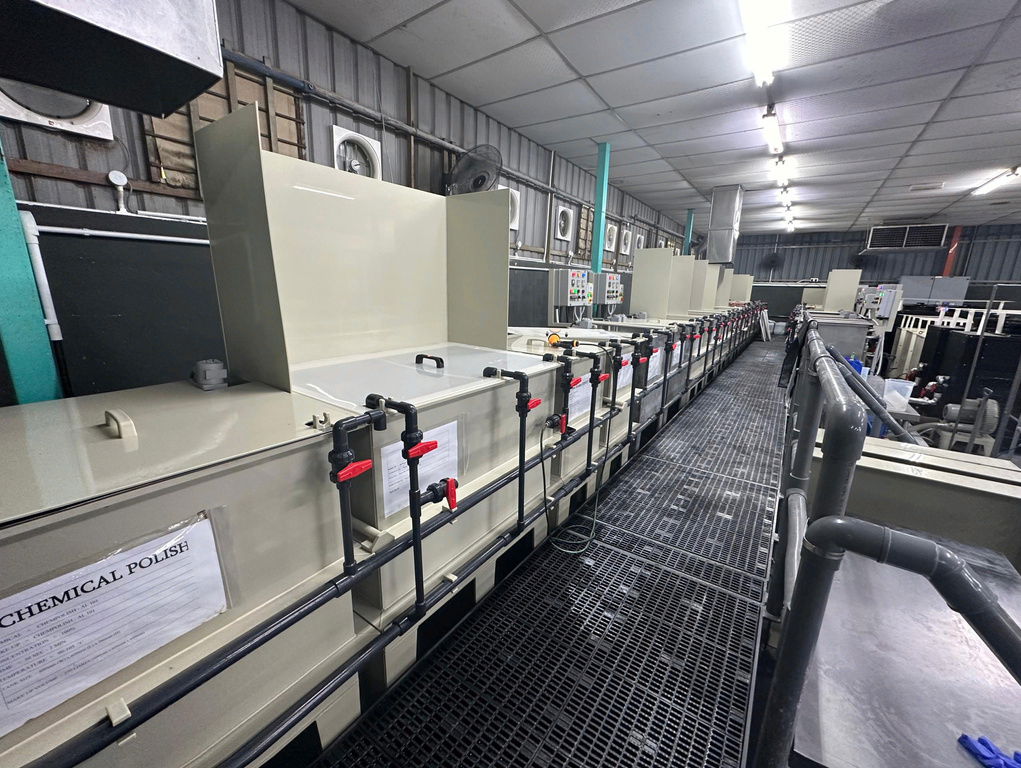
Aluminium Anodising
Anodising is a process that forms a protective oxide layer on the surface of the metal through electrolytic process after being thoroughly cleaned. It can be completed in both clear and coloured variations with the colour of your choice.
Anodising is an advanced surface treatment process that improves the durability, functionality and cosmetics of metal parts. Clear anodising provides a transparent protective layer (ESD-free) while colour anodising offers a range of vibrant hues.
This versatile process is widely used in industries such as manufacturing, aerospace and consumer goods, providing corrosion resistance, enhanced wear properties and the colour that suits your needs.
Types of Anodising Processes
Clear Anodising
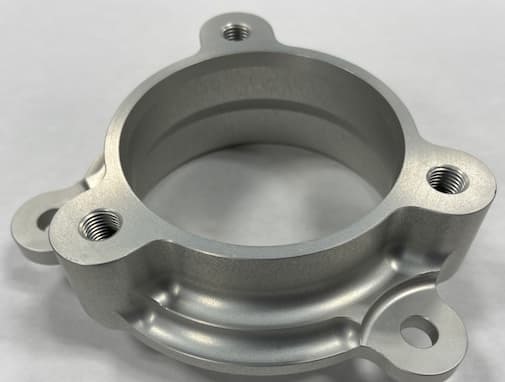
Clear Anodising is an electrochemical process that converts the metal surface into a durable, corrosion-resistant, anodic oxide finish while providing ESD-free properties.
Colour Anodising
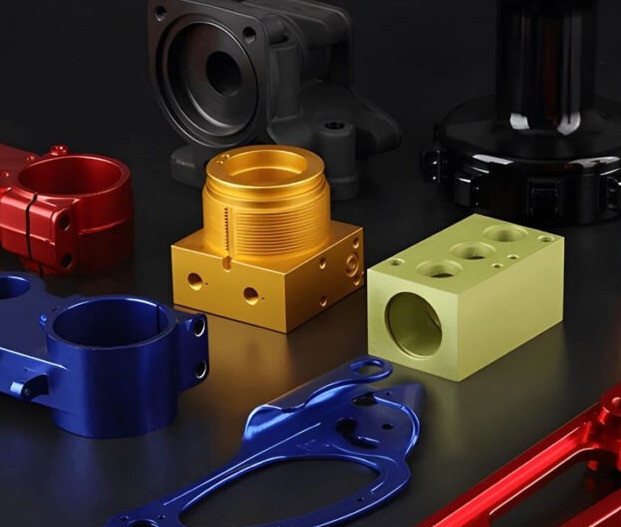
Colour Anodising is an electrochemical process that converts the metal surface into a decorative, durable, corrosion-resistant, anodic oxide finish, providing ESD-free properties with the colours of your choice.
Hard Anodising
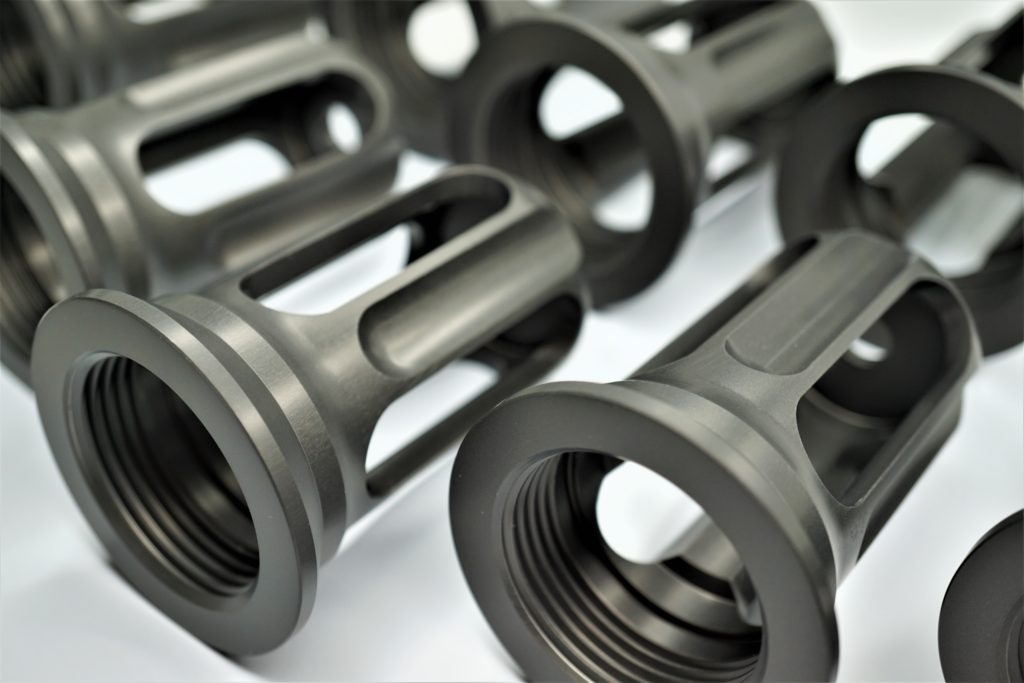
Hard Anodising is a process used to create a relatively thick layer of hard aluminum oxide on the surface of a part to improve the surface performance of the component.
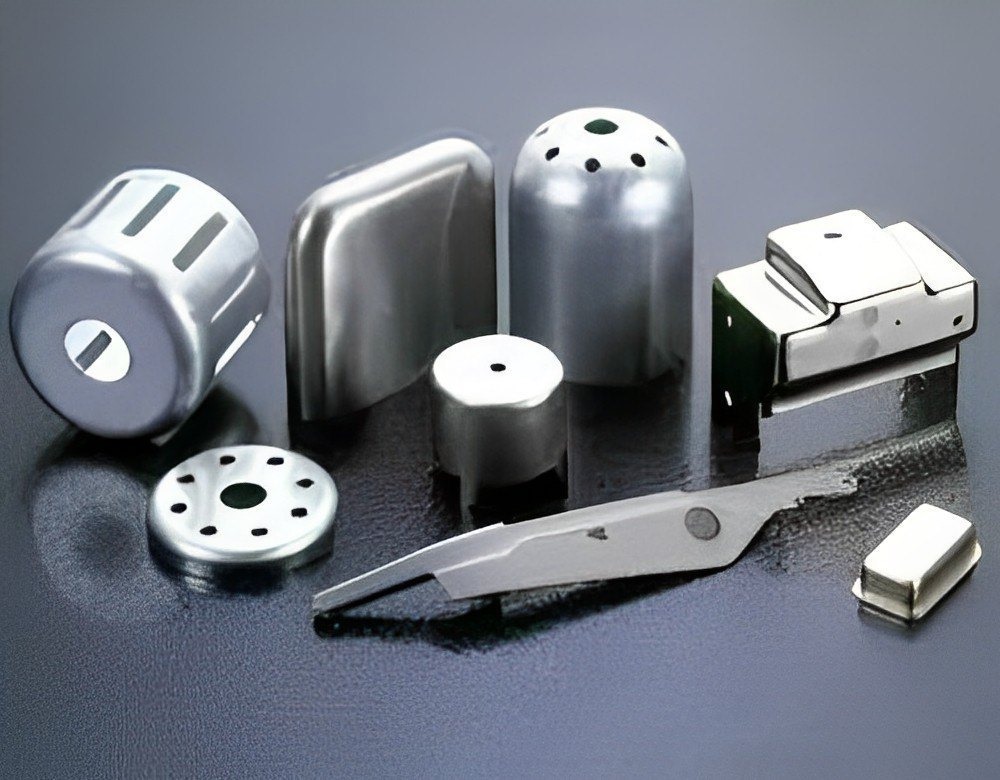
Chromate Conversion (Chem Film)
– MIL-DTL-5541
Aluminium Chromate typically refers to a chromate conversion coating applied to aluminum and its alloys. The chem-film coating provides a layer of corrosion protection.
Passivation (Coming Soon)
Stainless Steel Passivation
Passivation process on stainless steel leads to form a protective oxide layer that is less likely to chemically react with air and cause corrosion.
Titanium Pickling and Passivation
Titanium pickling involves a deep cleaning of the object, in order to eliminate any type of oxide residue or particularly done subjecting the material to future processes of passivation.
 Apex Surface Solutions Sdn Bhd